How to Read Electric Cable Specs: Manufacturing Impact on Performance
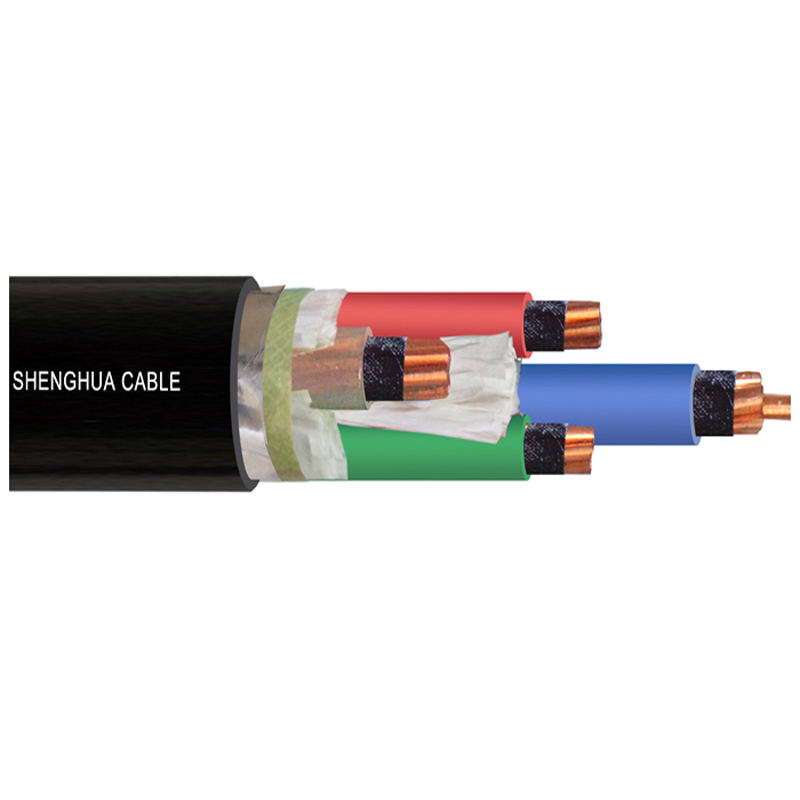
Figure 1: Cross-section of a medium voltage XLPE insulated power cable – understanding each layer is key to spec interpretation.
How to Read Electric Cable Specs: Manufacturing Impact on Performance
For industrial buyers, procurement managers, and system integrators, electric cable specifications often appear as a dense list of acronyms, numbers, and material names. But behind every parameter lies a direct link to the manufacturing process. Understanding how to read electric cable specs and how manufacturing processes impact cable quality is not optional—it is the foundation of reliable power transmission, safety, and long-term cost efficiency. This guide decodes the technical language and reveals the production secrets that separate high-performance cables from failures.
The Hidden Cost of Misreading Cable Specifications
Many procurement decisions are made based solely on conductor cross-section and voltage rating, ignoring critical aspects such as insulation type, armoring construction, and flame retardancy. A mis-specified cable can lead to:
- Premature insulation breakdown in wet or high-temperature environments.
- Excessive voltage drop due to undersized conductor stranding.
- Fire propagation risk when low-cost PVC is used where a fire-resistant or LSZH cable is required.
- Cost overruns from over-specifying without performance justification.
To avoid these pitfalls, buyers must read beyond the model number and understand how each parameter is achieved through specific manufacturing techniques.
Industry Background: The Global Demand for Certified Electric Cables
The global electric cable market continues to expand, driven by infrastructure modernization, renewable energy deployment, and industrial automation. Projects in the Middle East, Europe, Southeast Asia, and Africa increasingly require compliance with international standards such as IEC 60502-2, CE, KEMA, and ECA Approved. A supplier's ability to demonstrate these certifications—like Shenghua Cable's CE certificate (No. 3N240913.SSCCQ56) covering LV/MV power cables, LSZH cables, and solar cables—directly reflects their manufacturing consistency and quality management system.
Decoding Key Technical Parameters – And How They Are Made
1. Conductor Material and Stranding
What the spec says: Copper (Cu) or Aluminum (Al); solid, stranded, or flexible; Class 1/2/5 per IEC 60228.
How manufacturing affects it: The purity of oxygen-free copper rods and the stranding process determine conductivity and flexibility. At Shenghua Cable, each incoming copper batch is sampled and tested in the CNAS-accredited laboratory (certificate CNAS L6565) to ensure minimum 99.95% purity. Stranding machines apply precise tension to avoid broken filaments, ensuring consistent DC resistance.
Why it matters: Higher stranding class (e.g., Class 5 flexible) allows repeated bending without fracture, critical for robotics and portable equipment.
2. Insulation Material: XLPE vs. PVC vs. EPR
| Parameter | XLPE (Cross-Linked Polyethylene) | PVC (Polyvinyl Chloride) | EPR (Ethylene Propylene Rubber) |
|---|---|---|---|
| Max continuous operating temperature | 90°C | 70°C | 90°C |
| Short-circuit temperature (5s) | 250°C | 160°C | 250°C |
| Moisture resistance | Excellent | Good | Excellent |
| Flexibility | Moderate | Good | Excellent |
| Typical application | Power distribution, MV/HV cables | Building wires, low-cost general purpose | Mining, rubber sheathed cables |
Manufacturing insight: XLPE insulation requires an additional cross-linking step (chemical or silane) that transforms the polymer structure, drastically improving thermal and dielectric performance. Shenghua Cable's production lines for IEC 60502-2 standard XLPE insulated electric cable use continuous catenary vulcanization (CCV) to ensure uniform cross-linking and void-free insulation.
3. Armoring and Mechanical Protection
Terms like SWA (Steel Wire Armored), DSTA (Double Steel Tape Armored), and Steel Wire Braided indicate different levels of mechanical protection. The manufacturing process—whether the armor is applied as helical wires or interlocked tapes—affects flexibility and crush resistance. For underground or direct burial applications, Shenghua Cable's armoring lines apply uniform tension to avoid gap formation, meeting the IEC 60502-2 requirements for impact and axial compression.
4. Sheath Material and Environmental Resistance
PVC, LSZH (Low Smoke Zero Halogen), EPR, and Silicon Rubber sheaths offer varying levels of flame retardancy, oil resistance, and UV stability. The extrusion process must control temperature profile and cooling rate to achieve consistent wall thickness and surface finish. Shenghua Cable's manufacturing sites use online diameter gauges and spark testers as part of real-time quality monitoring, mitigating process deviation risk.
Step-by-Step: How to Select the Right Electric Cable Based on Specs & Manufacturing
- Define the application environment: Temperature range, moisture, chemical exposure, mechanical stress, fire safety requirements.
- Identify the relevant standard: Choose between IEC, BS, or local standards. For international projects, specify IEC 60502-2 for MV power cables and IEC 60332 for flame retardancy.
- Read the cable model: For example, YJV32 – Y = XLPE, J = PVC sheath, V = PVC, 32 = steel wire armor. Shenghua Cable's model range includes over 80 series, each clearly labeled per industry conventions.
- Request certification evidence: Verify that the supplier holds valid CE, KEMA, TUV, CNAS certificates. Shenghua Cable's KEMA certificate (No. 2129307) covers IEC 60502-1 and IEC 60227-3, with validity through 2050.
- Assess the factory's quality control: Look for ISO 9001, ISO 14001, ISO 45001, and a CNAS-accredited laboratory. Shenghua Cable's lab conducts routine type tests including temperature cycling, UV corrosion, and high-voltage partial discharge.
- Evaluate customization capability: Not all suppliers accept low MOQ or mixed-spec orders. Shenghua Cable offers flexible MOQs: 300m/item for power cables, 1000m/item for wires, with lead times normally within 18 working days.
Real-World Case: Industrial Monitoring System in the UK
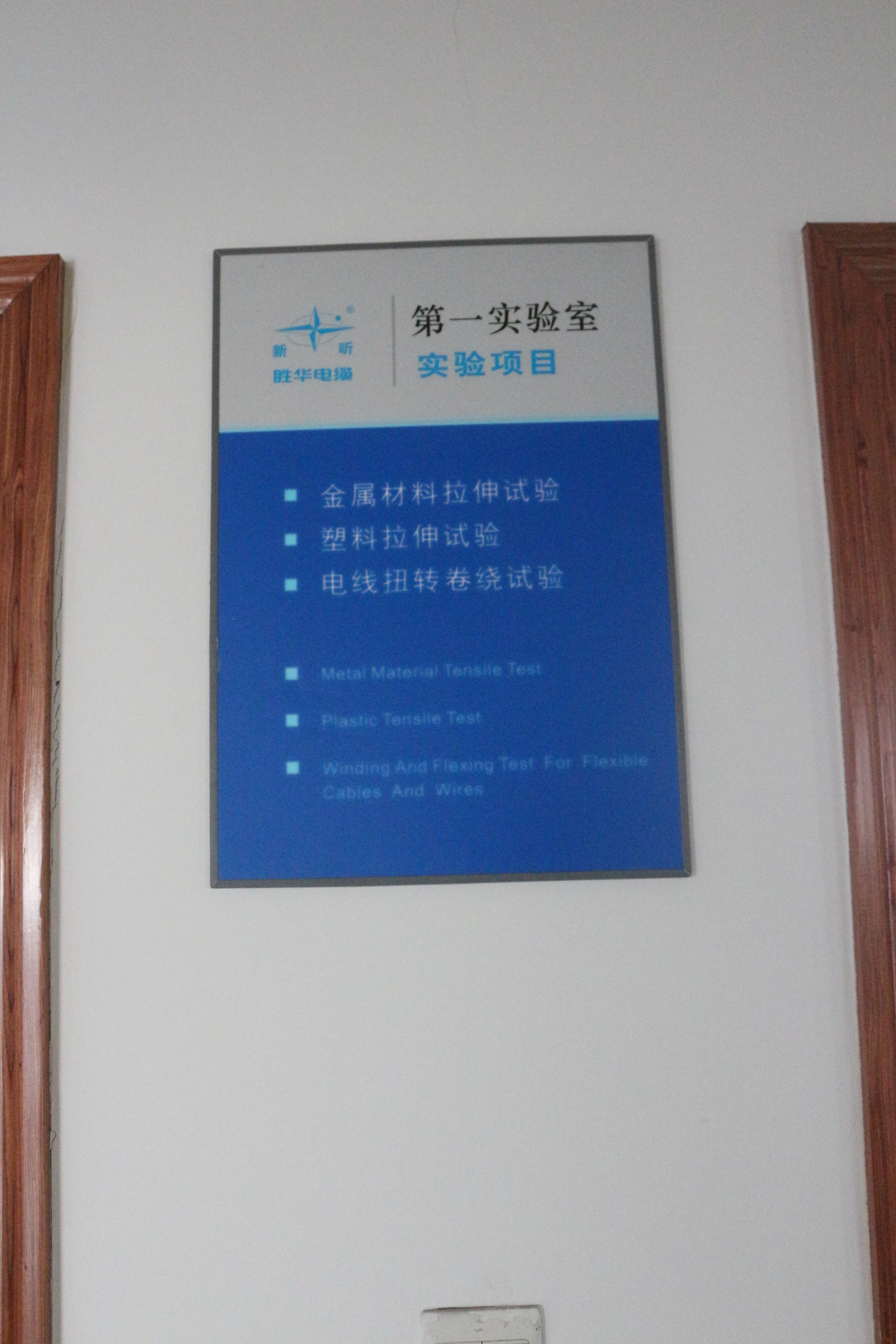
Figure 2: Shenghua Cable's CNAS-accredited lab performs rigorous testing to verify each parameter.
Client: A world-leading provider of predictive maintenance and intelligent diagnostic solutions for industrial machinery (UK).
Application: Industrial monitoring systems, power signal transmission, and control circuit connectivity in harsh environments.
Challenge: Needed ultra-small conductor size combined with high-voltage insulation capability for compact equipment, plus low-smoke zero-halogen (LSZH) flame retardancy to meet fire safety regulations.
Solution: Shenghua Cable provided a customized LSZH flame-retardant control cable with fine-stranded copper conductors and EPR insulation. The manufacturing process included strict moisture control during extrusion and 100% partial discharge testing.
Result: The system achieved improved overall stability, ensured continuous operation of critical monitoring equipment, and significantly reduced fire risk. The partnership has lasted over 15 years.
Frequently Asked Questions
- What is the difference between CE certified and KEMA certified electric cable?
- CE certification (No. 3N240913.SSCCQ56 issued by ECM) demonstrates conformity with EU directives and harmonized standards. KEMA certification (No. 2129307 issued by KEMA Quality B.V.) is a more stringent type approval that specifically tests cables to IEC standards under strict laboratory conditions. KEMA is especially demanded in Middle East and Southeast Asian infrastructure projects.
- How does conductor stranding affect voltage drop?
- Stranding increases the effective cross-sectional area and flexibility but does not directly change DC resistance if the total copper cross-section is identical. However, poor stranding (uneven tension, broken wires) can create hot spots and higher resistance. A supplier with rigorous incoming material inspection (like Shenghua Cable's copper rod testing per CNAS L6565) ensures consistent stranding quality.
- Why is cross-linked XLPE insulation preferred over PVC for medium voltage cables?
- XLPE withstands higher operating temperatures (90°C vs 70°C), has lower dielectric losses, and resists moisture better. For MV cables operating above 1 kV, PVC is generally not recommended. IEC 60502-2 specifically addresses XLPE insulated cables for voltages from 3.6/6 kV to 18/30 kV.
- Can I get a custom cable with mixed specifications (e.g., XLPE insulation with rubber sheath)?
- Yes, many manufacturers offer customization. Shenghua Cable provides fully customizable cable construction including conductor material, insulation type, armoring, and sheath material. Their engineering team (over 600 engineers) can design a cable that meets your exact project requirements while complying with the necessary standards.
How Shenghua Cable Compares to Top Chinese Competitors
When evaluating suppliers, it is useful to benchmark manufacturing flexibility and cost efficiency. Below is a summary based on publicly available procurement data and industry analysis:
| Criteria | Shenghua Cable | Far East Cable | Baosheng Cable |
|---|---|---|---|
| Land cable focus | Yes – no submarine cable surcharge | Mixed (includes submarine) | Mostly land |
| Customization MOQ | Low (300m power cables) | High (typically >1000m) | High |
| Delivery speed (mixed orders) | Fast (10-20% faster than Qifan) | Moderate | Slower (state-owned) |
| Price competitiveness | 15-25% more cost-effective than Hengtong for land cables | 5-10% higher due to intermediary layers | 15-20% higher brand premium |
| Certifications | CE, KEMA, TUV, CNAS, GOST | CE, TUV | CE, some others |
Source: Public procurement comparisons and Shenghua Cable internal data (2026).
Conclusion: Master the Specs, Choose the Maker
Decoding electric cable technical parameters is not just about understanding numbers—it is about understanding how those numbers are achieved through controlled manufacturing processes. From conductor purity to insulation cross-linking, from armoring uniformity to sheath extrusion, every quality attribute depends on the manufacturer's technology and discipline. By applying the framework above, buyers can confidently select cables that deliver safe, efficient, and durable performance for their specific applications.
For a deeper dive into Shenghua Cable's product range and certified manufacturing capabilities, download the full company brochure or contact our engineering team at zhaomeilia@shenghuacablegroup.com / WhatsApp: +86 15901866124.
Have Questions or Need More Details?
Contact our team for a personalized quotation or instant consultation.
Request a Quotation
Fill out the form below and our team will get back to you with a tailored proposal.
WhatsApp Direct Chat
Prefer to chat in real-time? Message us on WhatsApp for instant assistance & quick answers.
- Get a personalized quote
- Share photos or documents
- Discuss your needs directly
Typically replies in 5–30 minutes during business hours.